The Birth of the PM
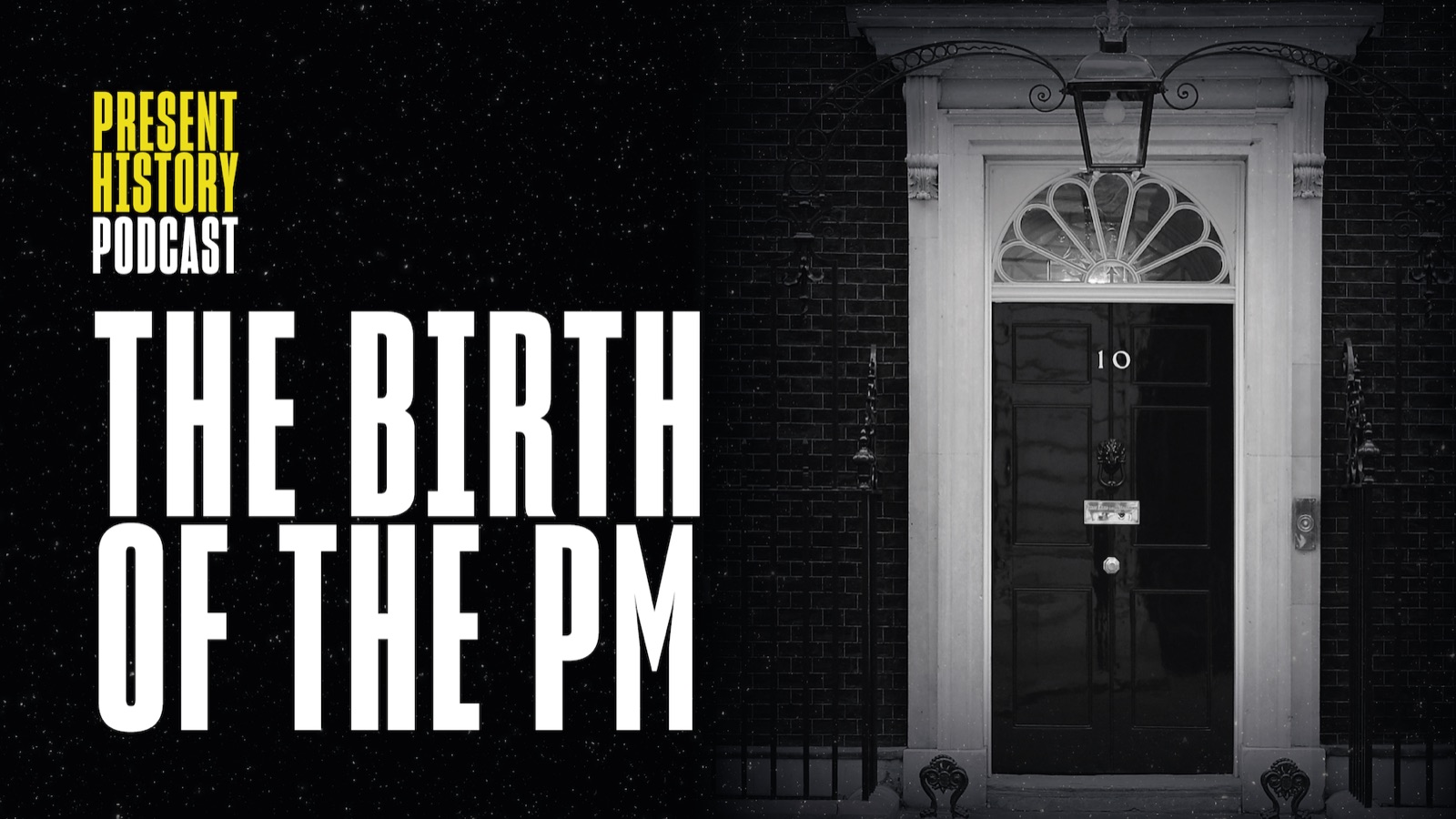
After just 45 days, Liz Truss resigned. After the debacle that was Boris Johnson, a global pandemic and a Union-shifting referendum, Liz Truss took the reins in the government’s most calamitous hour. With her exit, she became the shortest-serving prime minister in British History. She left her party and the nation in turmoil. In another piece of history, her successor would be Rishi Sunak, the first-ever British-Asian Prime Minister, and the first person of colour to take the reins of this nation. 2022 was a tumultuous and potentially disastrous year for the institution of the Prime Minister. The trust in the position had been undermined, the ability of the structure of British government brought into question and the office made into a hollow shell of the power and authority it was meant to yield.
In many ways, the sentiment towards the institution of the Prime Minister in 2022 was reminiscent of the feeling towards the office at its inception.
In 1688, the structure of the English constitution was radically altered. King James II, a fervent and overt catholic, was deposed in favour of the protestant William of Orange. In what became known as the ‘Glorious Revolution’, the power balance in British politics shifted, with monarchs now relying more on Parliament to obtain tax revenues and pursue their favoured policies. The House of Commons was also beginning to establish dominance over the House of Lords. This change in constitutional structure opened up the possibility of a new position, one that could deliver control of Parliament for the monarch. This opportunity was seized by a Member of Commons: Sir Robert Walpole. Known as the ‘Screen-Master General’ by his peers, Walpole was adept at pulling the political strings. His rise to the top was quick, but not without controversy.
He served as the Secretary of War from 1708-10 and as a treasurer of the Navy from 1710-11. But, Walpole’s involvement in the prosecution of Tory preacher Henry Sacheverell almost caused his downfall. On November 5th, 1709, Sacheverell delivered a sermon entitled ‘The Perils of False Brethren, in Church, and State’. In it, he would condemn the Church of England, the Anglicans in positions of political power and the Toleration Act of 1688. He was impeached, the verdict being that he should be suspended for three years, and that his two problematic sermons be burned. This, in the eyes of the people, made him a martyr. He became a popular figure, with riots breaking out across the country. This brought down the government that had prosecuted Sacheverell, and a new one was quickly elected. This new Tory government targeted Walpole for his involvement in this debacle, he was found guilty of corruption and imprisoned in the Tower of London. Again, this government prosecution seems to have backfired, turning Walpole into a martyr himself, with the Whigs rallying around him.
When the Georgian era began in 1714, with the accession of George I, Walpole had his revenge, as the Whigs returned to power. Walpole was appointed First Lord of the Treasury and Chancellor of the Exchequer in 1715, and became renowned for his mastery of the House of Commons, his endeavour and industry. This reputation began to arouse jealousy in his peers, which was exacerbated by a quarrel that would eventually tear the Whigs apart. Walpole and his brother-in-law, Charles, Viscount Townshend stood against two of the King’s closest advisors on foreign policy. Walpole argued that the interests of Britain were being relegated below the interests of Hanover, in order to gain favour from the King. Walpole and Townshend left the ministry in 1717.
Walpole would become the greatest irritant of the government for the next three years, opposing everything. He would continue to work his political nous until it all came to a head in 1721 when he was promoted to the First Lord of the Treasury. He would serve in this position for the next 21 years, becoming the dominant figure within the government. He was supported by King George I and later, George II. Their backing gave him considerable power in Commons, and the ability to influence official appointments and gave him access to money, both of which could be traded for support in Parliament. He also limited the involvement of the wider cabinet in serious government business, preferring to work with a smaller, inner circle of five or fewer key supporters. He raised himself to such a position of power and authority, that many began to view him as a kind of ‘Prime Minister’.
Walpole was quick to knock this idea, saying ‘I unequivocally deny that I am sole and prime minister.’ The title of ‘Prime Minister’ was more of an insult than an official position. It implied that someone had elevated themselves above their peers in a way that was inappropriate and ungentlemanly. To make it even worse, this idea began to reek of a political institution imported from France, England’s great enemy. The view of the time was that monarchs should be their own prime ministers, and for anyone to do anything else, or assume this role themselves, was contrary to the constitution. Walpole would serve as an unofficial Prime Minister for more than 20 years. He is, therefore, traditionally regarded as the first, and longest serving Prime Minister.
In the years that followed the end of Walpole’s tenure, the position of the Prime Minister was murky, with the title not officially recognised, and the post not established. Over time, other political leaders built on the methods of Walpole and began to use the post of First Lord of the Treasury as an official title for the unofficial position of Prime Minister.
The late 18th Century saw the title of Prime Minister become more accepted, and the position more entrenched. As with most things, it was the fires of war that cemented the office. In 1778, during the American War of Independence, the Prime Minister Lord North wrote to George III that: ‘in critical times, it is necessary that there should be one directing Minister’. And, by 1805, The Times newspaper was beginning to use the phrase ‘Prime Minister’ more regularly, and it became a more established piece of the parliamentary lexicon. By the mid 19th Century, the office of Prime Minister was widely accepted as a political reality.
What began as a slur, a damning indictment of someone who was rising above their station, was now the place of primary political leadership within the British government. It was borne out of astute machinations and the adept puppetry of political strings. A title of slander, now the slandered title. It is fascinating how the untamed rapids of the past manage to swirl around and break, once again, on the rocks of the present. But then again, shouldn’t we be getting used to that by now?
To find out more about the history of the office of the British Prime Minister, check out the parallel Short below!